
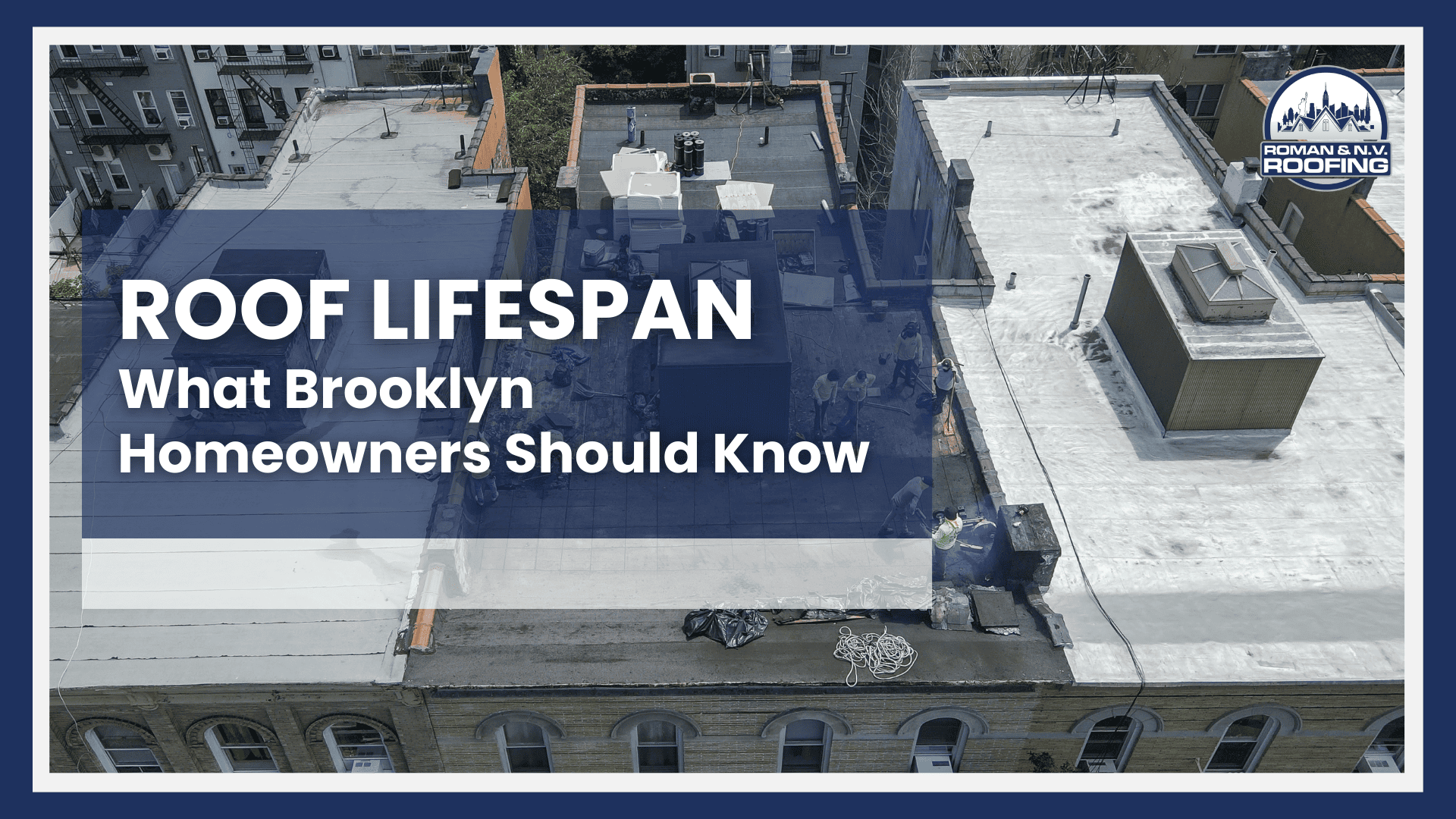
The time to replace your roof is a question every Brooklyn homeowner faces at some point. Knowing exactly when your roof has reached the end of its lifespan can prevent leaks, structural damage, and costly emergency repairs. Roofs don’t always fail overnight; they give signs over time that are easy to overlook if you’re not paying attention.
Years ago, a Brooklyn brownstone owner assumed her roof was fine because it “looked okay” from the street. She ignored small curling shingles and minor water stains in the attic. One winter, a heavy snowstorm revealed multiple leaks and weakened decking. The roof, which could have lasted another 5–7 years with timely repair, needed a full replacement far earlier than expected.
Most homeowners underestimate the real time to replace their roof because the signs are gradual and hidden from plain sight.
In this blog, you will learn the true lifespan of different roof types in Brooklyn, the factors affecting roof longevity, and practical tips to extend its life.
Why Understanding Roof Lifespan Matters
Knowing your roof’s lifespan is more than just an estimate. It helps you:
Plan for maintenance and repairs proactively
Budget for roof replacement before an emergency occurs
Protect your home’s interior from water damage
Preserve property value
Brooklyn’s unique climate, including freeze-thaw cycles, heavy rain, coastal humidity, and summer heat, means that roof lasting duration varies significantly from one building to another. A well-maintained flat commercial roof may last 20–25 years, while a typical asphalt shingle roof on a brownstone might only last 15–20 years.
Understanding the expected life of your roof allows you to respond before minor problems become major failures.
Common Signs It’s Time to Replace Your Roof
Even if your roof hasn’t reached the end of its expected lifespan, certain indicators signal that it’s time to replace it. Recognizing these signs early is crucial to preventing escalating damage.
1. Curled, Buckled, or Missing Shingles
Shingles that curl or buckle indicate that the protective layer is failing. Missing shingles leave your roof exposed to moisture and wind damage.
Action Steps:
Inspect shingles after storms for damage
Replace missing shingles immediately to prevent leaks
Schedule a professional evaluation for large areas of curling or buckling
Consider full replacement if damage is widespread
2. Water Leaks or Staining Inside the Home
Leaks in the attic, ceilings, or walls are a direct sign that the roof is no longer fully protective. Often, water travels along the decking or insulation before appearing inside.
Action Steps:
Document locations of leaks and stains
Check the attic and roof interior for moisture accumulation
Repair localized leaks temporarily until a professional assessment
Plan for roof replacement if multiple leaks exist
3. Granule Loss on Asphalt Shingles
Granules protect shingles from UV rays and water penetration. When you notice excessive granules in gutters or bald spots on shingles, the roof’s life is approaching its end.
Action Steps:
Inspect gutters after storms for granule accumulation
Look for bald areas on shingles
Apply protective coatings for minor wear
Consider full replacement if granule loss is extensive
4. Roof Sagging or Uneven Surfaces
Sagging or uneven areas indicate structural weakening, often caused by prolonged water infiltration. This is a critical sign that the roof decking or supports are compromised.
Action Steps:
Mark sagging areas and monitor for progression
Avoid walking on weakened spots
Schedule a professional inspection for structural evaluation
Replace the roof if the sagging is extensive
5. Mold, Moss, or Algae Growth
Excessive moss or mold indicates moisture retention on the roof surface. Over time, this can damage shingles, membranes, and underlying decking.
Action Steps:
Remove moss using proper cleaning methods
Inspect for water damage beneath mossy areas
Repair minor leaks immediately
Replace the roof if the underlying damage is significant
6. Frequent Repairs and High Maintenance Costs
If your roof requires repeated fixes to address leaks, missing shingles, or membrane damage, it may be more cost-effective to replace the roof entirely rather than continuing patchwork.
Action Steps:
Keep a maintenance log to track costs and repairs
Compare repair costs vs. replacement costs
Consult a professional roofer to evaluate the roof condition
Plan replacement when repairs outweigh benefits
7. Age Beyond Recommended Lifespan
Regardless of visible damage, roofs naturally degrade over time. Asphalt shingles older than 20 years, flat membrane roofs past 25–30 years, or metal roofs over 50 years may be due for replacement.
Action Steps:
Check installation records or inspection reports for roof age
Conduct visual inspections for deterioration
Schedule a professional assessment for potential replacement
Include roof replacement in long-term home maintenance planning
Factors Affecting Roof Lifespan in Brooklyn
Brooklyn’s urban environment accelerates roof wear due to:
Weather Extremes: Freeze-thaw cycles, snow accumulation, heavy rain, and summer heat
Foot Traffic: Roof decks or frequent maintenance can stress materials
Pollution and Salt Air: Especially near waterfronts, which can corrode metal and concrete
Poor Ventilation: Leads to trapped moisture and accelerated decay
Neglected Maintenance: Debris accumulation, clogged drains, and unnoticed leaks
Roof Lifespan Maintenance Tips
Even if your roof is not yet due for replacement, proper maintenance can extend its life and delay the time to replace your roof.
Clean gutters and drains regularly to prevent water accumulation
Inspect the roof and flashing after storms for damage
Trim overhanging trees to reduce debris and moss growth
Schedule professional inspections every 1–2 years
Apply protective coatings to extend shingle or membrane life
Conclusion
The time to replace your roof is not just determined by age but by visible signs, material condition, maintenance history, and environmental factors. Recognizing early indicators like curling shingles, leaks, moss growth, or structural sagging can prevent extensive damage and save money. Regular inspections, proper maintenance, and timely replacement planning allow Brooklyn homeowners to protect their property, preserve home value, and ensure lasting safety.
A well-maintained roof is an investment in your home’s longevity and your peace of mind.
If you are unsure about your roof’s condition or whether it's time to replace your roof, schedule a professional inspection today. Visit commercial roofing brooklyn for expert guidance and protect your Brooklyn home.
