
How Often Should You Inspect Your Roof in New York’s Weather?
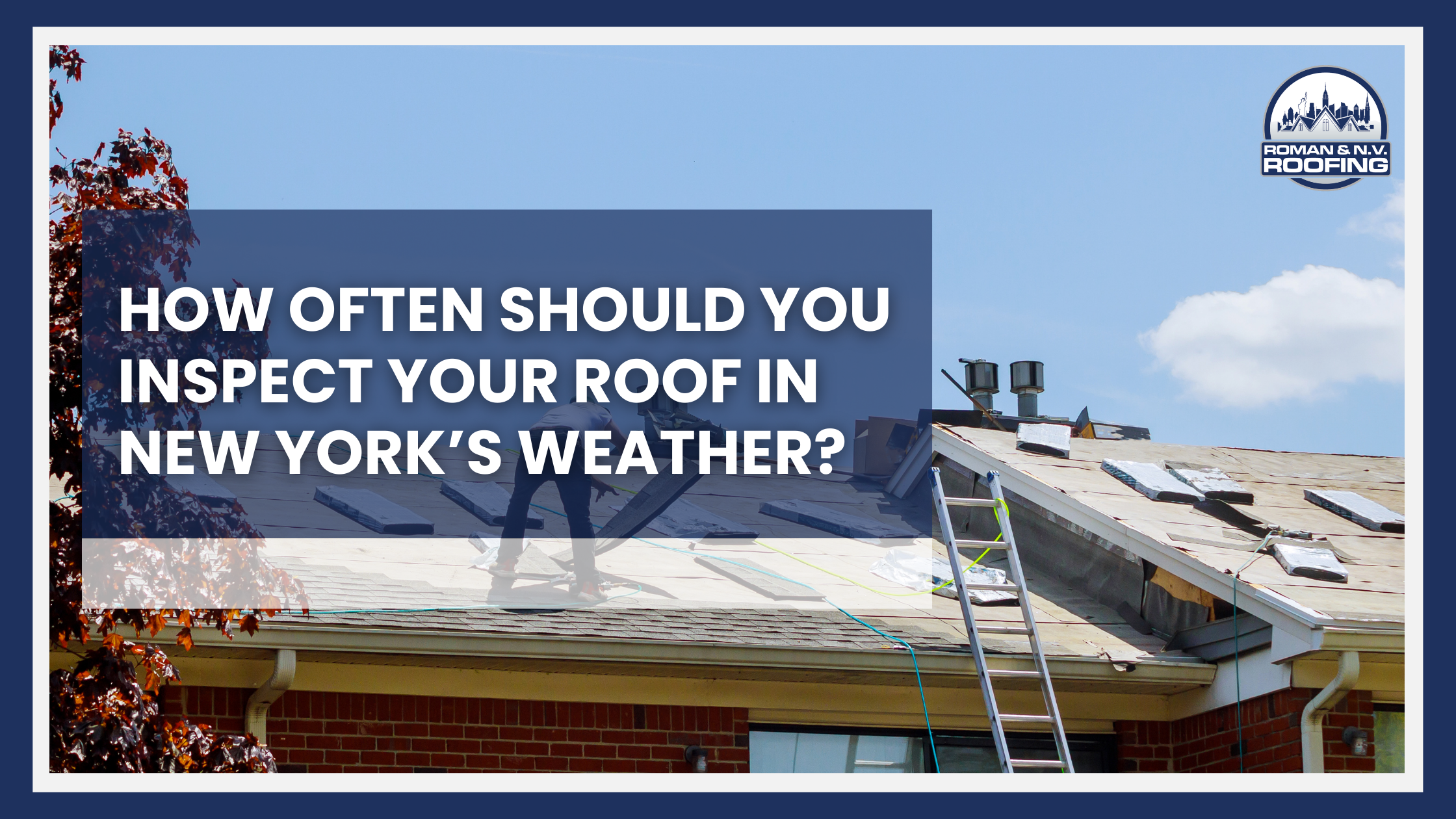
Roof inspection duration is not just about time; it is about survival in New York’s climate.
If you own a home or building in Brooklyn or anywhere in NYC, your roof is exposed to conditions that quietly shorten its lifespan year after year. New York’s combination of freezing winters, wet springs, intense summer heat, and storm-heavy falls creates a cycle of expansion, contraction, moisture intrusion, and material fatigue. Waiting until a leak appears is often too late, because roof damage here develops beneath the surface long before it becomes visible indoors.
Years ago, a Brooklyn brownstone owner learned this the hard way. The roof looked fine from the sidewalk. No missing materials. No obvious sagging. But after several winters of freeze-thaw cycles and clogged drains, moisture slowly seeped into the roof assembly. By the time water stains appeared on the ceiling, the damage had already spread through insulation and decking.
Roofs in New York do not fail suddenly; they fail silently.
And the only reliable defense is understanding roof inspection duration and following the right inspection schedule for this environment. In this guide, you will learn exactly how often your roof should be inspected in New York’s weather and how to build a long-term inspection plan that protects your property.
How Often Should You Inspect Your Roof in New York?
For most properties in New York, the recommended roof inspection duration and frequency follow a proven standard shaped by climate data and material performance.
At a minimum, roofs should be inspected:
Twice per year, once in spring and once in fall
After major weather events, including storms, heavy snow, or high winds
More frequently for flat roofs, older roofs, and high-traffic commercial buildings
This is not an arbitrary recommendation. New York weather stresses roofing systems repeatedly, not occasionally. Each season introduces a different risk, and skipping inspections allows small issues to grow unnoticed.
A proper Roof Inspection Timeline is preventative, not reactive. It identifies weaknesses before water penetration, structural damage, or interior repairs become unavoidable.
Why New York’s Climate Requires More Frequent Roof Inspections
New York’s climate is uniquely harsh because it combines multiple damaging elements in a single year. Roofs here must withstand sudden temperature shifts, prolonged moisture exposure, high winds, snow accumulation, and intense UV radiation.
During winter, freezing temperatures cause roofing materials to contract. When temperatures rise, materials expand again. This constant movement weakens seams, fasteners, and sealants. Snow accumulation adds weight, while ice dams trap water near the roof edges.
Spring introduces prolonged rainfall that tests waterproofing systems weakened during winter. Summer heat accelerates material aging, especially on flat roofs where surface temperatures can become extreme. Fall storms bring wind-driven rain that exploits any existing vulnerability.
This constant cycle is why New York roof maintenance cannot rely on a once-a-year inspection. Damage here is cumulative, not isolated.
Seasonal Roof Inspection Duration in New York
Spring Roof Inspections: Identifying Winter’s Hidden Damage
Spring inspections are one of the most important inspections of the year because winter damage is often invisible at first glance. Ice, snow, and freezing temperatures stress roofing systems in ways that only become apparent once conditions warm.
During a spring inspection, professionals evaluate:
Cracks caused by freeze-thaw cycles
Damage from ice dams near the roof edges
Moisture trapped beneath roofing layers
Drainage systems blocked by winter debris
Even minor cracks or sealant failures discovered in spring can turn into serious leaks once spring rain becomes consistent. Early detection allows repairs before water intrusion spreads.
Summer Roof Inspections: Heat Stress and Material Fatigue
Summer introduces a different kind of risk. High temperatures soften roofing materials, making them more susceptible to movement, blistering, and separation. Flat roofs, in particular, experience extreme surface heat that accelerates aging.
Summer inspections focus on:
Blistering caused by trapped moisture
UV degradation of membranes and coatings
Sealant shrinkage around penetrations
Early signs of membrane fatigue
Without summer inspections, roofs often age faster than expected, reducing their overall lifespan and increasing future repair costs.
Fall Roof Inspections: Preparing for Winter Conditions
Fall inspections are preventative. Their purpose is to ensure the roof is ready to withstand freezing temperatures, snow load, and ice formation.
During fall inspections, professionals check:
Drainage efficiency before snowfall
Flashing integrity around chimneys and edges
Minor cracks that could worsen when frozen
Structural readiness for snow accumulation
This inspection is often the last opportunity to address small issues before winter turns them into emergencies.
Winter Roof Inspections: Event-Driven and Targeted
Winter inspections are not routine but situational. After heavy snow, ice buildup, or windstorms, inspections may be necessary to assess immediate risks.
Winter inspections focus on:
Ice dam formation
Excessive snow load stress
Emergency leak identification
Wind-related damage
These inspections prioritize safety and damage control rather than full system evaluation.
How Roof Type Affects Roof Inspection Duration
Flat and Low-Slope Roofs
Flat roofs are common throughout Brooklyn and require more frequent inspections because they rely entirely on drainage systems rather than slope.
Flat roofs should be inspected:
Every three to four months
Immediately after heavy rain or snow
Even small drainage issues can cause water to pond, leading to membrane deterioration and leaks.
Asphalt Shingle Roofs
Shingle roofs show visible signs of aging, but underlying damage is not always obvious.
Recommended inspection frequency:
Twice per year
After major wind events
Inspections assess shingle integrity, underlayment condition, and flashing performance.
Metal Roofs
Metal roofs are durable but still require monitoring.
Inspections focus on:
Fastener loosening from thermal expansion
Sealant wear around penetrations
Early corrosion at seams
Annual inspections preserve performance and longevity.
Older Roofs (15 Years or More)
Age increases vulnerability regardless of material type.
Older roofs require:
Inspections every three to six months
Preventive maintenance planning
Replacement readiness assessments
Frequent inspections help extend the remaining lifespan and avoid sudden failure.
In New York, roofs rarely fail overnight, but inspections stop slow failures before they become disasters.
What a Professional Roof Inspection Includes
A professional inspection goes far beyond visual observation. Inspectors evaluate the entire roofing system as a protective structure, not just surface materials.
A comprehensive inspection includes:
Roofing materials and seam integrity
Flashing and roof edge security
Drainage flow and slope performance
Penetrations such as vents and skylights
Moisture presence beneath surface layers
Structural stability and load distribution
This approach identifies problems long before they appear inside the building.
How Long a Roof Inspection Actually Takes
The roof inspection duration depends on roof size, type, and accessibility.
Typical inspection times include:
Small residential roofs: 30 to 45 minutes
Medium-sized roofs: 60 to 90 minutes
Large commercial roofs: two to three hours
This time investment is minor compared to the cost of emergency repairs or premature replacement.
When to Schedule an Immediate Roof Inspection
Even with a solid Roof Inspection Timeline, certain warning signs demand immediate attention.
These include:
Interior water stains or discoloration
Persistent moisture odors
Sagging roof sections
Loose or missing roofing materials
Sudden increases in heating or cooling costs
These symptoms indicate active system failure rather than future risk.
How Regular Inspections Extend Roof Lifespan
Roofs deteriorate gradually. Inspections interrupt this process by catching issues early.
Regular inspections help:
Prevent moisture infiltration
Reduce structural weakening
Maintain drainage efficiency
Preserve roofing material integrity
Consistent inspections can add years to a roof’s usable life.
Building a Long-Term Roof Inspection Plan
An effective inspection plan includes:
Seasonal scheduling
Event-driven inspections
Documentation tracking
Preventive repair planning
This approach shifts roof care from emergency response to proactive protection.
Frequently Asked Questions
How does Roof Inspection Duration differ between residential and commercial properties?
Commercial roofs require longer inspections due to larger surface areas, drainage systems, and foot traffic exposure.
Can weather shorten the recommended Roof Inspection Timeline in New York?
Yes, storms, heatwaves, and heavy snow often require inspections sooner than planned schedules.
Is a visual inspection enough to assess roof condition?
No, many roofing problems develop beneath the surface and require professional tools and expertise.
Do newer roofs still need regular inspections?
Yes, inspections catch installation issues and early material stress before damage escalates.
What happens if the Roof Inspection Duration is delayed too long?
Minor issues progress into leaks, structural damage, and costly repairs that inspections could have prevented.
Conclusion
Roof inspection duration plays a decisive role in how well your roof survives New York’s demanding weather. By following a proper inspection schedule based on season, roof type, and building age, property owners can prevent damage, control costs, and extend roof lifespan. Inspections are not an expense; they are protection against failure.
If you want expert guidance on roof inspection duration modified to New York conditions, professional insight matters. Visit commercial roofing brooklyn today to schedule a comprehensive roof inspection.
