
Signs Your Roof Needs Repair in Brooklyn
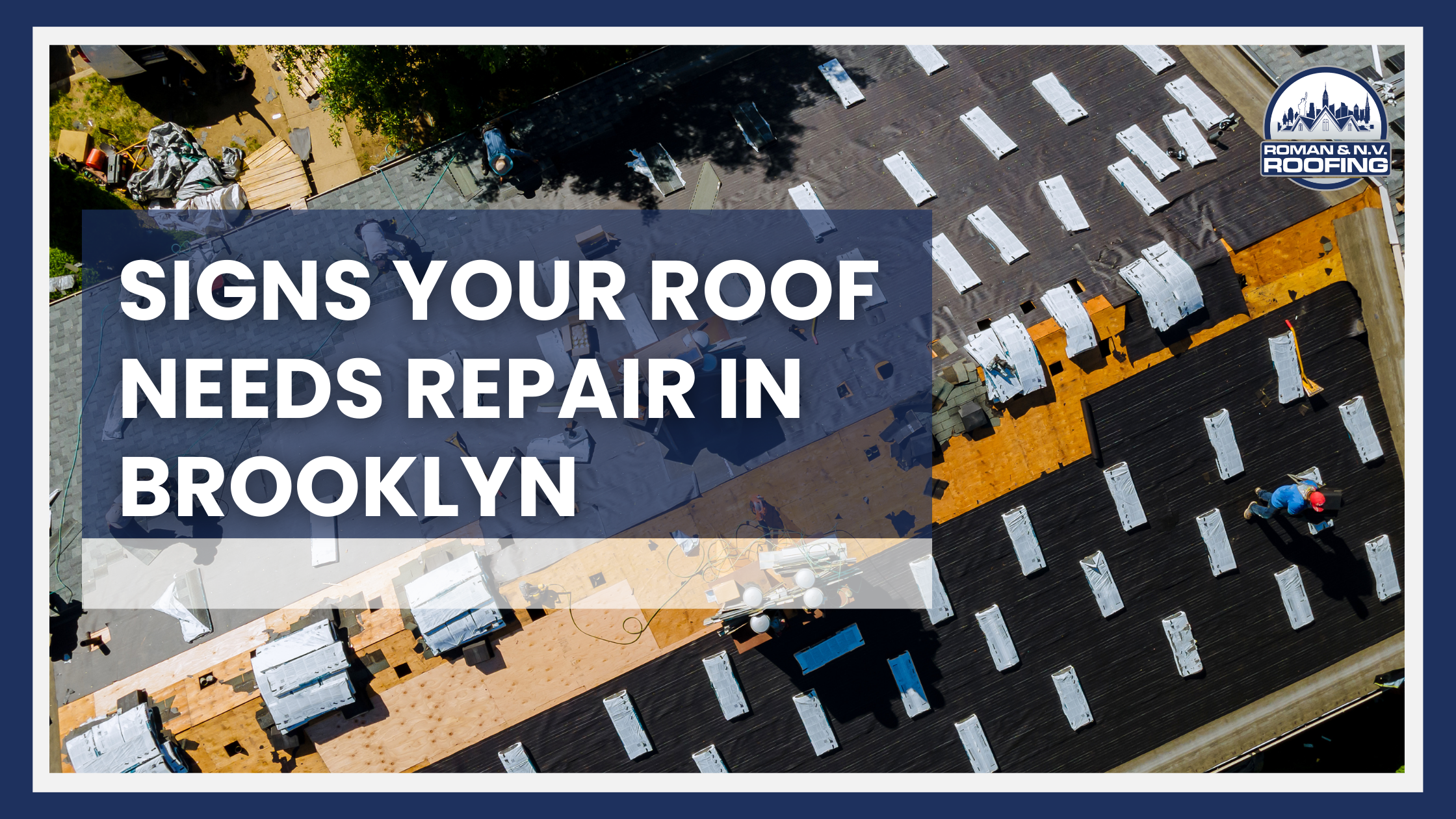
Roof repair signs are not always dramatic or obvious, especially in Brooklyn, where many buildings hide damage beneath flat roofing systems, layered materials, and older construction. Yet the moment these signs appear, your roof is already telling you something important. It is no longer performing the way it should.
Many Brooklyn property owners only realize this after water stains appear on a ceiling or a leak disrupts daily life. Years ago, a local building owner on a quiet Brooklyn block ignored what seemed like minor bubbling on a flat roof. There was no active leak, no storm damage, nothing urgent. Months later, heavy rain revealed soaked insulation, interior damage, and repair costs that could have been avoided entirely.
The problem was not neglect. It was a misunderstanding. Roof damage often begins quietly and worsens invisibly.
Most roof problems do not start as emergencies. They become emergencies when early signs are ignored.
In this guide, you will learn how to recognize the most important roof repair signs in Brooklyn, what each sign actually means, why it happens, and how to respond before minor damage turns into a costly repair. Let’s discuss signs.
1. Interior Water Stains or Discoloration
Water stains on ceilings or walls are one of the most visible roof repair signs. They usually appear as brown, yellow, or slightly darker patches and indicate that moisture has already infiltrated the building. Often, water travels along insulation or decking before appearing inside, so the damage may be more extensive than it seems.
What To Do:
Inspect the attic or roof interior to locate moisture sources
Check for roof leaks above stained areas
Schedule a professional roof inspection to assess the membrane and decking
Repair minor leaks immediately to prevent mold and structural damage
Track recurring stains to monitor the effectiveness of repairs
2. Active Leaks During or After Rain
Leaks during rainfall are a clear signal that part of your roof is failing. They often originate at seams, flashing, drains, or around rooftop penetrations like vents and skylights. Even if the leak is small, ignoring it can allow moisture to compromise insulation and internal structures.
What To Do:
Document when and where leaks occur
Inspect flashing and sealants around roof penetrations
Clear debris from drains and gutters to improve water flow
Apply temporary patches if immediate professional repair isn’t possible
Schedule a full roof inspection and permanent repair
3. Bubbling, Blistering, or Raised Areas on Flat Roofs
Blisters or bubbles form when air or moisture gets trapped under the roof membrane, usually in flat roofs. Heat expansion lifts the membrane, making it vulnerable to cracking and rupture. While these areas might not leak immediately, they indicate early-stage roof failure.
What To Do:
Identify all blistered areas and mark them
Avoid walking on affected spots to prevent rupture
Inspect the membrane beneath blisters for water intrusion
Schedule a professional repair to remove or reseal damaged areas
Monitor for new blisters regularly
4. Cracks, Splits, or Tears in Roofing Materials
Cracks in roofing materials are a sign of material fatigue caused by expansion and contraction from temperature changes. Even small splits allow water to penetrate the underlying layers, accelerating insulation damage and structural weakening.
What To Do:
Perform a visual inspection of the roof surface for cracks
Focus on areas around seams, edges, and roof transitions
Apply a temporary waterproof sealant on minor cracks
Replace severely damaged roofing materials
Schedule routine maintenance to catch new splits early
5. Ponding Water That Does Not Drain
Standing water on flat roofs indicates poor drainage or structural sagging. Water left for more than 48 hours puts pressure on the membrane, accelerates deterioration, and increases the risk of leaks.
What To Do:
Inspect roof drains and scuppers for clogs
Remove debris that blocks water flow
Evaluate the roof slope and structure for sagging
Consider installing additional drainage solutions if needed
Call a roofing professional for long-term repair
6. Sagging or Uneven Roof Areas
Sagging areas signal structural weakening or water damage to underlying supports. Even subtle unevenness can indicate that water has already compromised the roof deck or insulation, creating safety and durability concerns.
What To Do:
Mark sagging areas for monitoring
Inspect decking and support structures for water damage
Avoid walking on weakened sections
Schedule a full professional evaluation to determine repair or replacement needs
Address moisture sources immediately to prevent further sagging
7. Damaged or Loose Flashing
Flashing seals critical roof junctions around vents, chimneys, skylights, and parapet walls. Loose, cracked, or corroded flashing is a leading cause of leaks, especially in Brooklyn’s changing weather conditions.
What To Do:
Inspect flashing along all penetrations and edges
Re-secure or replace loose flashing
Apply roofing sealant to minor cracks
Schedule a professional replacement for corroded or failing flashing
Conduct seasonal checks for early warning signs
8. Granule Loss or Surface Wear
Granule loss on asphalt shingles or modified bitumen roofs exposes the membrane to UV damage and accelerated aging. Granules often wash into gutters, signaling that the roof is losing its protective layer.
What To Do:
Inspect gutters for excess granules
Examine the roof surface for bald or worn areas
Apply protective coating if minor wear is detected
Plan for roof resurfacing or replacement for extensive granule loss
Conduct annual inspections to monitor wear progression
9. Increased Energy Bills Without Explanation
Unexpected rises in heating or cooling costs may indicate compromised insulation due to moisture or roof damage. Wet or compressed insulation loses its efficiency, directly affecting energy use.
What To Do:
Check attic and roof insulation for moisture damage
Inspect for hidden leaks contributing to insulation issues
Repair leaks and replace damaged insulation
Monitor energy usage before and after repairs to ensure effectiveness
Schedule regular roof inspections to prevent hidden inefficiencies
10. Mold or Musty Odors Inside the Building
Persistent mold or musty smells often indicate prolonged water intrusion from roof leaks. Mold is both a health concern and a sign that the roof’s waterproofing has been compromised.
What To Do:
Identify the source of moisture causing mold
Remove mold safely using professional remediation methods
Repair roof leaks causing water infiltration
Dry and replace water-damaged insulation
Conduct periodic inspections to prevent recurrence
Conclusion
Recognizing roof repair signs early is critical in Brooklyn’s challenging environment. From interior water stains to sagging areas, each sign tells a story about the condition of your roof. Addressing these issues promptly protects your property, extends roof life, and prevents expensive emergency repairs. A well-maintained roof is more than protection; it is an investment in the safety, comfort, and value of your property.
If you notice any roof repair signs, schedule a professional inspection immediately to avoid costly damage. Visit commercial roofing brooklyn to book your expert roof assessment today and secure your Brooklyn property.
